
Deck Staining in Franklin and Brentwood, TN: What Homeowners Need to Know Before They Start
Latest Post
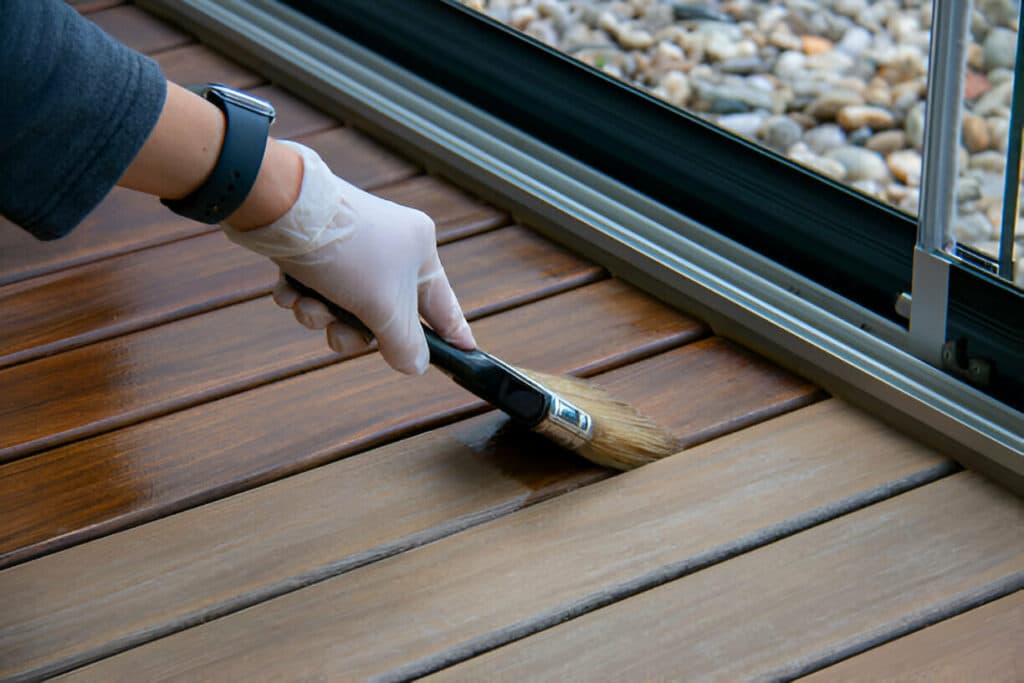
If your deck has started to look faded, gray, or dry, deck staining is one of the most effective ways to bring it back to life. For homeowners in Franklin and Brentwood, the window between late winter and early summer is the most practical time to get this done before outdoor entertaining season is fully underway. But before you pick a color and schedule the work, there are several things worth understanding about how the process works, what affects the result, and why cutting corners on preparation leads to disappointing outcomes.
Why Deck Staining Matters in Middle Tennessee
Franklin and Brentwood experience a climate that puts real stress on outdoor wood. Humid summers with heavy UV exposure bleach and dry out the wood grain. Fall and winter bring moisture, temperature swings, and the kind of freeze-thaw cycling that works stain out of wood surfaces faster than in milder climates. A deck that goes without deck staining for too long starts to crack, gray, and absorb moisture into the grain in ways that create longer-term structural problems, not just cosmetic ones.
A properly applied stain penetrates the wood grain and creates a barrier against moisture and UV damage. It does not just change the color. It protects the wood at the fiber level and extends the life of the deck by slowing the deterioration that middle Tennessee’s climate accelerates.
What Comes Before the Stain
This is the part most homeowners underestimate. The quality of a deck staining job is determined almost entirely by the preparation work that happens before the stain goes on. Stain applied over a dirty, weathered, or improperly prepped surface will not penetrate correctly, will not adhere evenly, and will begin to peel or flake within a season.
Preparation starts with a thorough deck cleaning. Pressure washing removes dirt, mold, mildew, and the gray, weathered wood fibers that build up on the surface over time. This step is not optional. Trying to stain over a dirty or gray surface produces uneven color and poor penetration no matter how good the stain product is.
After cleaning, the deck needs adequate drying time before any stain is applied. Wood that is too wet will not absorb stain properly. In Franklin and Brentwood’s climate, this typically means waiting at least 48 hours after pressure washing under good weather conditions, and longer if temperatures have been low or the wood is particularly dense.
If the deck has been previously stained, the type and condition of the existing finish affects what needs to happen next. A solid stain over a transparent or semi-transparent stain, or a new stain over a failing old finish, creates adhesion problems. In many cases, stripping the old finish or sanding the surface before applying new stain is the right call.
Choosing the Right Stain
Not all stains perform the same way, and the choice matters more than most homeowners realize.
Transparent stains show the most natural wood grain and allow the character of the wood to show through, but they provide the least protection and require more frequent reapplication, typically every one to two years for decks in Franklin and Brentwood’s climate.
Semi-transparent stains balance color enhancement with grain visibility and offer moderate protection. They are a popular middle-ground choice for cedar and pressure-treated decks where the natural look is valued but better durability than a clear product is needed.
Solid stains cover the wood grain completely and provide the strongest protection against UV and moisture. They last longer between applications but require more careful preparation and surface work, and once you go to a solid stain it is difficult to return to a transparent finish later.
The wood species on your deck also affects stain selection. Cedar, pressure-treated pine, and exotic hardwoods like IPE each absorb stain differently and require products matched to the wood type. IPE and other dense hardwoods often need specialized penetrating oils rather than standard deck stains to achieve proper absorption.
How Often Does Deck Staining Need to Happen?
In Franklin and Brentwood’s climate, most wood decks need deck staining every two to three years for semi-transparent products and every three to five years for solid stains, assuming the original application was done correctly over a properly prepared surface. Decks that receive heavy sun exposure, are on south-facing orientations, or get significant foot traffic may need attention on the shorter end of that range.
A good rule of thumb is the water test. Pour a small amount of water onto the deck surface. If it beads up, the existing finish is still protecting the wood. If it soaks in immediately, the wood is unprotected and it is time to assess whether cleaning and restaining is needed.
Professional Deck Staining vs DIY
Deck staining is one of those tasks that looks simpler than it is. The preparation steps, the right product selection for the specific wood and existing finish, the application technique, and the timing relative to weather conditions all affect how the job turns out. A professional deck staining crew brings the pressure washing equipment, the product knowledge, and the application experience to get even coverage and proper penetration that a first-time DIY attempt often misses.
For Franklin and Brentwood homeowners with larger decks, decks with railings and built-in features, or decks that have been neglected for several seasons, professional deck staining is the practical choice for a result that holds up through the full season.
Ready to Schedule Deck Staining in Franklin or Brentwood?
Call Harpeth Decks at (615) 636-9341 to schedule a consultation. The team serves Franklin, Brentwood, and surrounding communities throughout Middle Tennessee, handling deck staining, deck cleaning, deck refinishing, deck repair, and full custom deck builds for residential properties across the region.