
Composite Decking vs Wood: What Lasts Longer in a Humid Climate?
Latest Post
Humidity can be tough on outdoor structures, especially decks. In places like Franklin, TN, moisture levels stay high for much of the year, which can accelerate wear and tear. Choosing the right decking material is critical for long-term performance, appearance, and maintenance costs. Two popular options are wood and composite decking, each with unique strengths and drawbacks in humid environments.
Understanding the Impact of Humidity on Decking
Moisture is the main enemy of outdoor wood surfaces. It seeps into fibers, causing swelling, warping, and decay over time. Mold and mildew growth can also be a challenge, especially when airflow is limited.
Composite decking, on the other hand, blends wood fibers with synthetic materials to create boards that resist moisture absorption. This difference in composition plays a major role in how each material holds up in humid climates.
Why Wood Has a Shorter Life in Humid Conditions
Vulnerability to Rot and Decay
Natural wood absorbs water easily, making it more prone to rot. Even pressure-treated varieties will eventually show signs of damage if not regularly maintained.
Frequent Maintenance Needs
To keep wood looking good and performing well, homeowners must stain, seal, or paint it every one to two years. This is especially important in Franklin, TN, where moisture and heat can cause surface deterioration.
Insect and Pest Concerns
Humid climates attract termites and carpenter ants, which can quickly compromise wooden decks if protective treatments are not maintained.
How Composite Decking Performs in High Humidity
Moisture Resistance
Composite decking resists water penetration, which prevents warping, splitting, or rotting. This makes it an attractive choice for regions with long, humid summers.
Mold and Mildew Prevention
While no material is entirely immune, composite decking is less likely to develop mold stains. Any buildup that does occur can usually be removed with mild cleaning.
Consistent Appearance Over Time
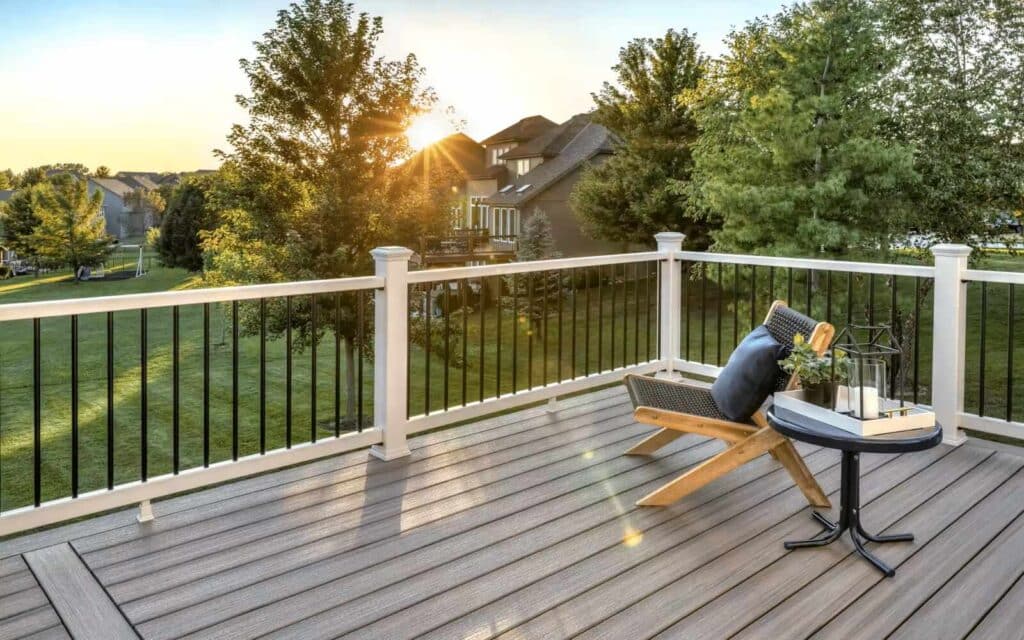
Because composite decking is manufactured with color and texture throughout the material, fading and weathering happen more slowly than with wood.
Comparing Lifespans: Which One Lasts Longer?
In humid climates, composite decking generally outperforms wood in longevity. High-quality products can last 25–30 years with minimal upkeep, while wood often requires replacement in 10–15 years under similar conditions.
However, lifespan is not the only factor to consider. Some homeowners prefer the natural beauty of wood, accepting the need for regular maintenance. Others prioritize durability and lower upkeep costs, making composite decking the more practical choice.
Key Factors to Consider Before Choosing
Budget
Wood may have a lower upfront cost, which appeals to homeowners looking for immediate savings. However, composite decking can save significantly more over time since it requires fewer repairs, no staining, and less frequent replacement.
Aesthetics
Wood offers a warm, traditional look that many homeowners love. Composite, on the other hand, is available in a wide range of colors and finishes that replicate the texture and grain of real wood without the risk of fading or splintering.
Maintenance Commitment
If you want a deck that stays beautiful with minimal upkeep, composite is the clear winner. Unlike wood, it does not need regular sanding, sealing, or painting, making it perfect for busy homeowners.
Climate Challenges
In humid regions like Franklin, TN, moisture resistance is key to a long-lasting deck. Composite decking naturally resists mold, mildew, and warping, which are common problems for traditional wood in high-humidity areas.
Questions Homeowners Often Ask About Decking in Humid Climates
Will my composite deck get slippery when wet?
Most composite products are designed with textured surfaces to improve traction, making them safer for decks in wet conditions.
Can I install a composite deck over my old wooden deck frame?
Yes, if the frame is structurally sound and meets building codes. A qualified contractor can inspect it and make recommendations.
Do composite decks fade over time?
Some fading may occur in the first few months due to UV exposure, but it is usually minimal and even across the surface.
Ready for a Deck That Lasts in Franklin’s Humidity?
Your deck should be a place for relaxation, not a constant maintenance project. If you want a solution that stands up to Franklin’s humid climate, Harpeth Decks can help. Our team has extensive experience installing high-quality composite decks that stay beautiful year after year.
Call (615) 636- 9341 today to schedule your consultation and learn more about building a deck that fits your style, budget, and long-term needs.